Find Your Vendors
Mja
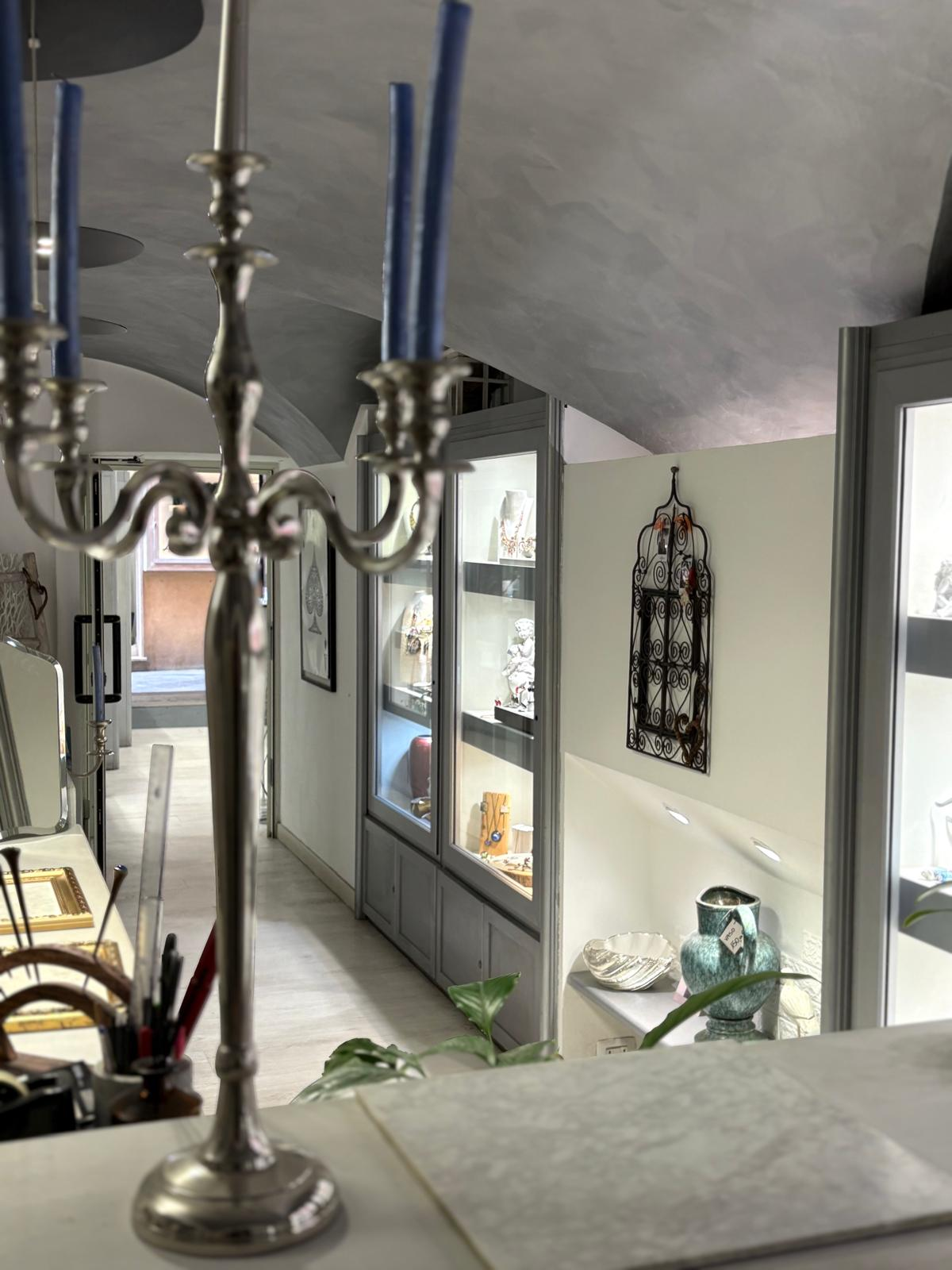
In the vibrant Turin of the 1980s — a city alive with culture, elegance, and the unstoppable heartbeat of FIAT — style flowed naturally beneath its endless arcades. Every Sunday, the city held its breath between the passion of Torino and the might of Juventus, while its cafés and ateliers echoed with conversations about art, design, and fashion. Connected to Paris through a long-standing creative dialogue, Turin stood as one of Italy’s most refined crossroads of ideas and inspiration. It was within this world of beauty and momentum that Daniela grew, learned, and shaped her sensibility for fine jewelry. Quick to absorb the sophisticated rhythm of the city, she soon became the head of purchasing for a renowned chain of jewelry stores — a role that opened the doors to Italy’s most prestigious high-jewelry maisons. Those years refined her eye for excellence: she learned to read the craftsmanship behind a piece, to sense its story, and to select jewels that embody true Italian artistry. After many seasons lived at an intense urban pace, life revealed a new horizon: Alassio. A jewel of the Ligurian coast, a beloved winter refuge and a summer icon known across Europe for its golden shoreline stretching softly from Capo Santa Croce to Capo Mele. A city born from the legendary love of Adelasia, overlooking the sea and just steps from the Côte d’Azur and Monte Carlo — a place where Italian craftsmanship is celebrated, lived, and deeply felt.
Tamara, Tre Sei

Tamara’s story begins in the quiet wonder of childhood, when her father sent her to study in Venice — a city where beauty seems to rise from the water itself. There, in the shade of old convent walls, her days unfolded between embroidered fabrics, beadwork, and small afternoon workshops. She watched, fascinated, as artisans from around the world shaped delicate metal threads into luminous creations. While other children played, Tamara stood still, eyes shining, absorbing every gesture as though it were a secret language meant only for her. Whenever she could, she tried to create something on her own — small experiments, tiny treasures made with the boldness of youth. As she grew, life invited her down different paths: she studied, became a secretary, mastered mechanical calculations, worked in offices, learned the rhythm of commerce. She loved music, evenings of laughter, the carefree sweetness of her age. But no matter how far she walked, art never stopped calling her by name. At just twenty, driven by instinct and passion, she opened her first shop. Then motherhood arrived — twice — with all its wonder and all its demands. She closed the store, knowing some dreams must rest so others can grow. For a while, she stepped back, devoting herself entirely to her children. But life tested her with a far darker chapter: her husband’s illness left her alone with two little ones and the weight of uncertainty. In that fragile moment, when many would feel lost, Tamara returned to the place where her strength had always lived — her hands.
Daciarte
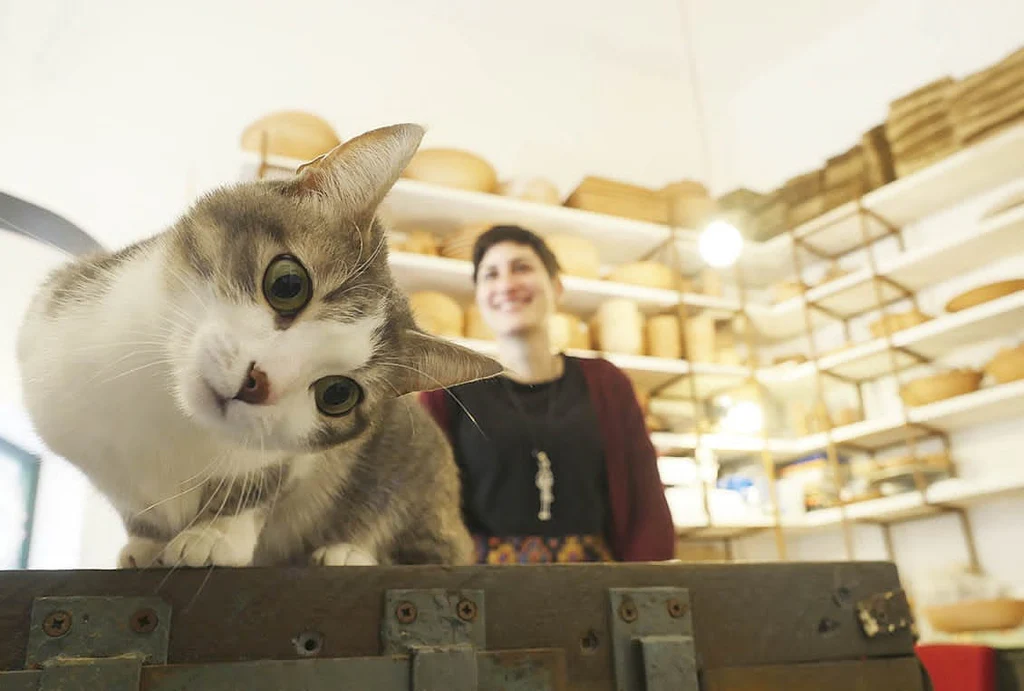
They know it and they say so. In their previous lives, several Zen masters were cats. It is also known that many others have followed the path in reverse. After taking on human form, they had the opportunity to return to being felines. If they had gained a particular experience during their time as humans, this special activity apparently does not disappear, not entirely: something still remains in their life cycle. This form of reminiscence is also well known. On Via San Biagio there is a truly popular feline. At night, he often sleeps in the shop window, among the majolica tiles decorated by Dacia, a reserved craftswoman, as silent as, if not more so than, those who assist her during her daily work. The symbiosis is perfect. Many people photograph the majolica cat. He is now aware of his strong appeal and almost seems to pose, but with great detachment from the curious glances that usually surround him. His theatrical yawns and his snobbish grimaces are eloquent. Observing them secretly, you can see Dacia decorating under the watchful, supervisory eyes of her cat, Nina. She knows she’s being watched, but she seems content. Two flames follow every movement of her hand and its natural progression into rapid yet soft brushstrokes. Clear sensations; the fur-clad master seems to observe every gesture, precise, measured, a signal, a faint electric current no longer hidden between his claws. You have to see them. They’re creating together, almost holding their breath. A spectacle, unintended, but certainly a form of unique, silent, powerful dialogue.
Olio dei Papi
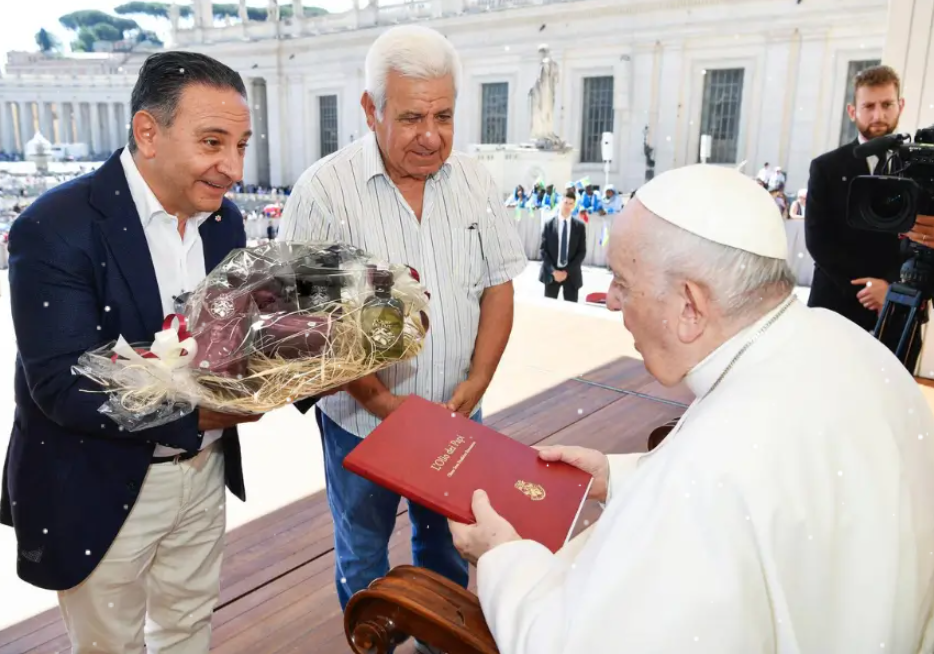
A Tribute to Land, Legacy, and the Art of Italian Extra Virgin Olive Oil L’Olio dei Papi is born from the perfect balance between fertile land, centuries-old agricultural wisdom, and a modern pursuit of excellence. More than an extra virgin olive oil, it is a story — one that speaks of heritage, craftsmanship, and a deep respect for nature and time. Each bottle embodies the values of authenticity, patience, and uncompromising quality. Its olive groves flourish in the historic regions of Agro Pontino and Frusinate, areas long celebrated for their ideal microclimate and rich soil. Here, among ancient olive trees shaped by generations of care, olives are harvested at optimal ripeness and cold-pressed to preserve their natural aromas, flavors, and nutritional integrity.
Gioielli Belladonna
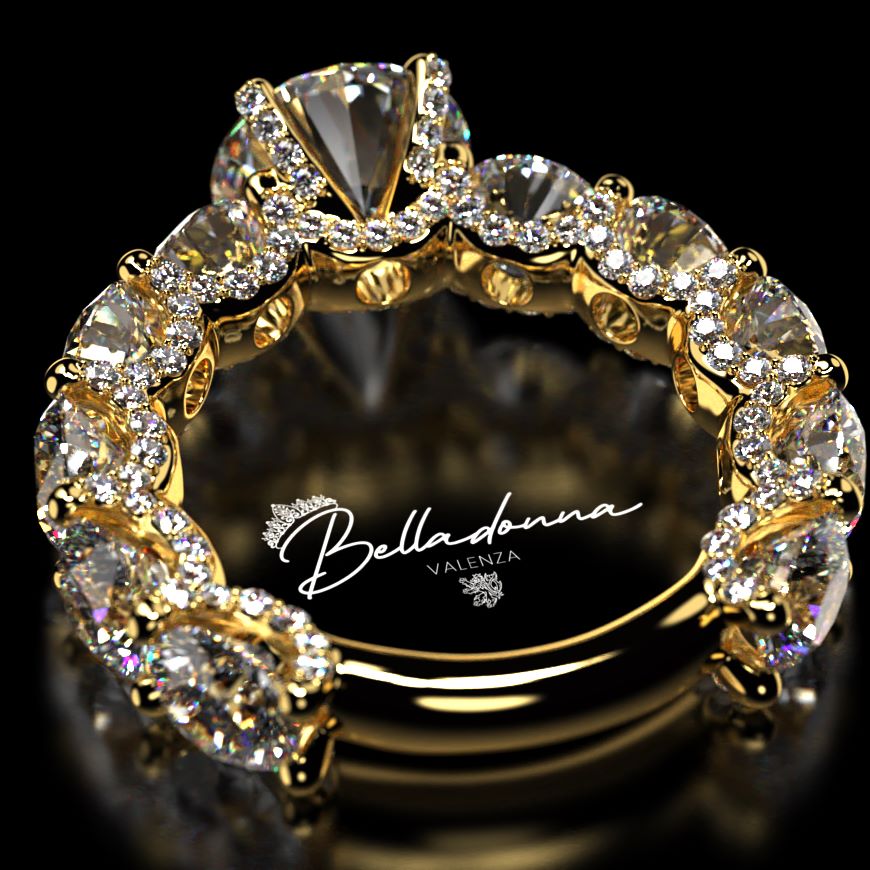
In the heart of Valenza, Italy’s most renowned city for fine jewelry, Gioielli Belladonna was born — an artisanal workshop where time, skill, and tradition shape every creation. Each piece follows a careful and deliberate journey: from the first design concept and prototyping, to the selection of precious stones, all the way to the final finish. Nothing is left to chance. Because for Belladonna, a jewel is never simply a combination of precious metals and gemstones — it is the result of research, dedication, precision, and an uncompromising attention to detail. At the center of this process are the hands of master goldsmiths, guardians of a knowledge passed down through generations. Thanks to them, ancient techniques remain alive, expressed through contemporary creations that never lose their soul.
Gemelle Toscane
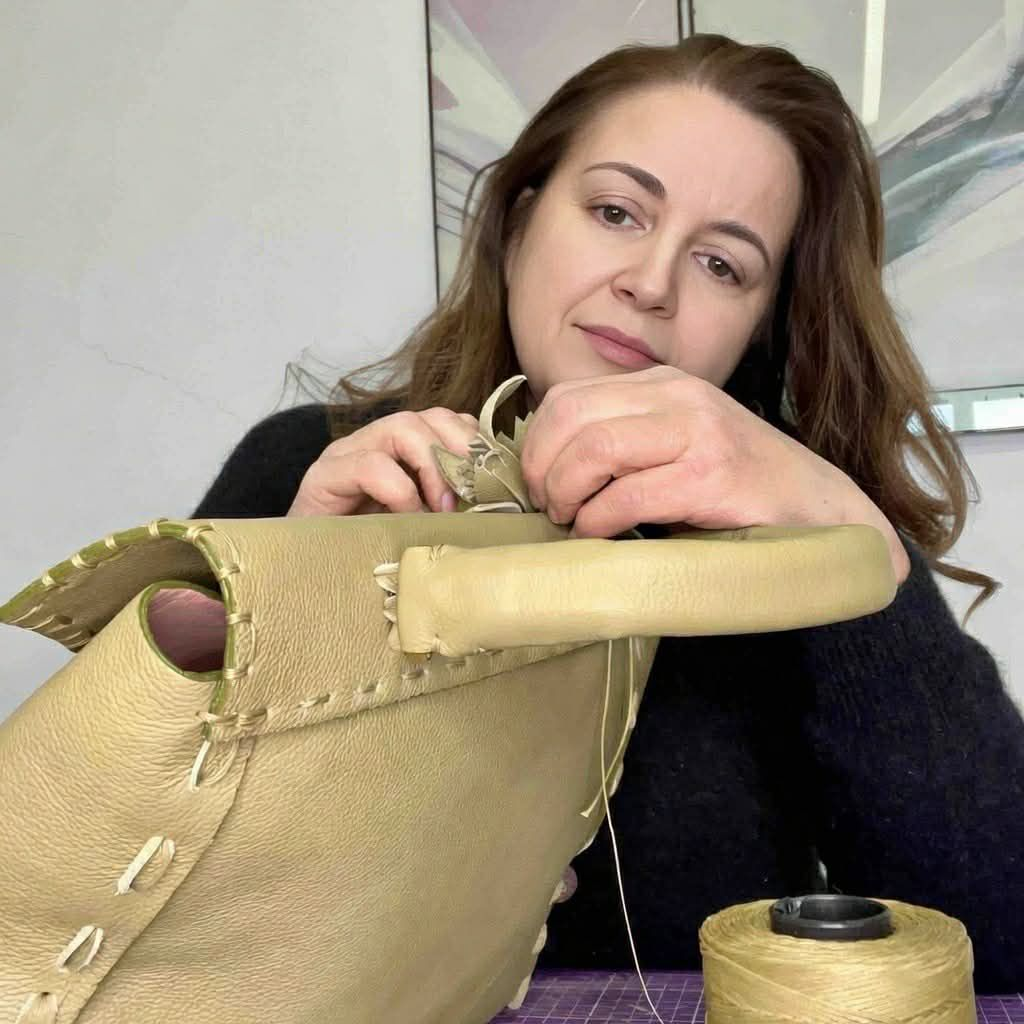
In the heart of Tuscany — a land of artisans, leather, horses, and timeless landscapes — Gemelle Toscane was born. A project rooted in the personal journey of its founder. Born in 1972, she grew up in a family deeply connected to nature. Her father, a horse trainer and breeder, passed on values of discipline, sensitivity, and respect for authenticity. After completing her studies and becoming a mother to her only son, her professional path gradually unfolded within the world of fashion. She began working as a designer for Tuscan clothing companies, immersing herself in the region’s strong manufacturing heritage. At the same time, she continued studying and became a footwear pattern maker, building solid technical expertise alongside her creative vision. Over the years, a deeper awareness emerged: the environmental impact of the fashion industry and the need to create differently. She developed a desire to work with new materials sourced from deadstock — transforming surplus into opportunity, and waste into value.
Russo Cammei
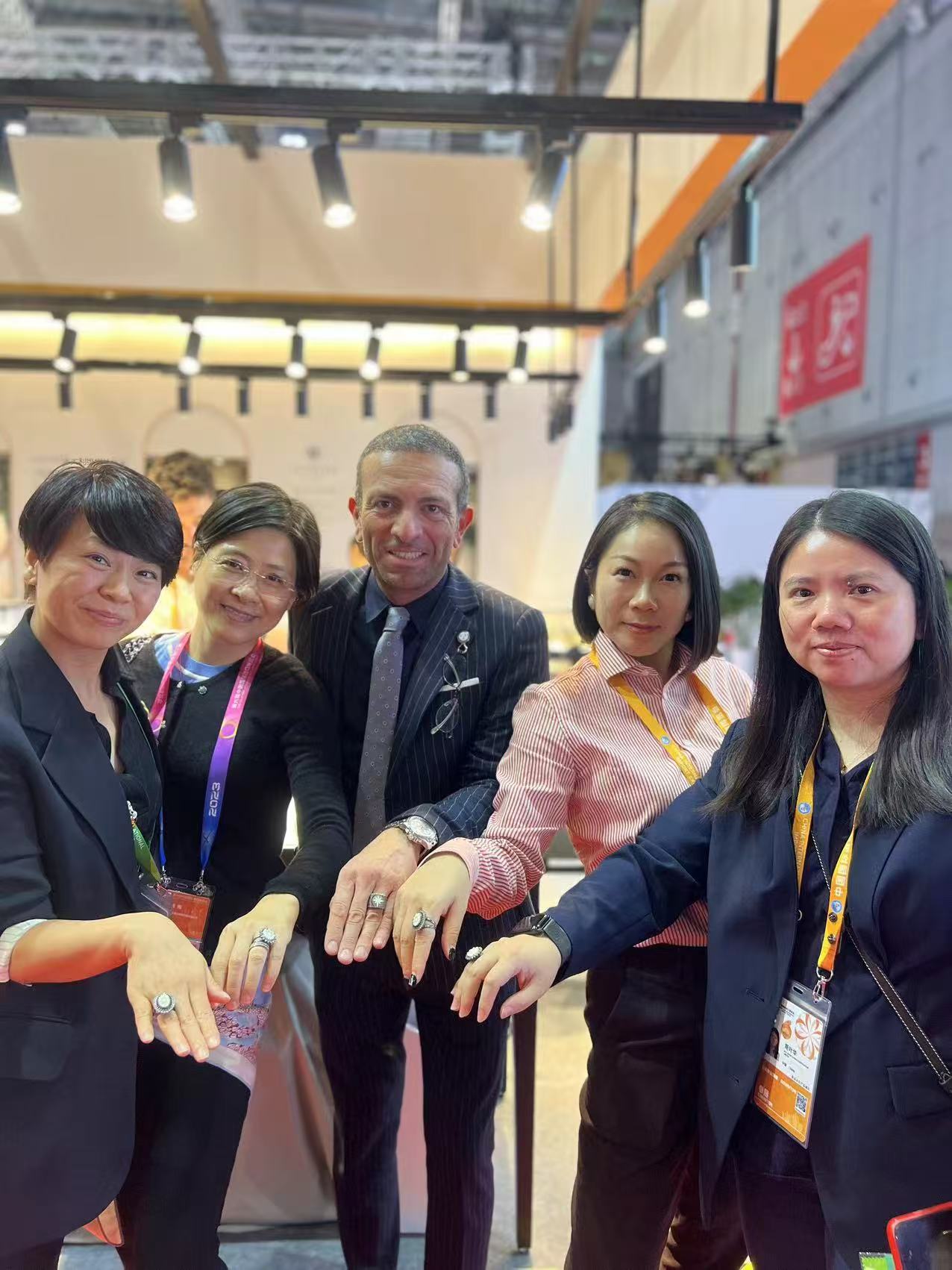
Some traditions belong to a place. Others belong to a family. The story of Russo Cammei belongs to both. It began in 1896, when Nunzio Russo Senior opened his first workshop in Naples. In a city renowned for centuries of artistic excellence, Nunzio devoted his life to goldsmithing and the creation of cameo settings, crafting pieces that reflected not passing trends, but a personal vision of beauty, elegance, and craftsmanship. Working alongside his son Ciro, he gradually refined his art, specializing in the intricate settings that would become synonymous with the Russo name. From that moment onward, the history of the company became inseparable from the history of the family itself. Generation after generation, knowledge has been passed from hand to hand, from master to apprentice, from father to son. In the 1960s, Renato and Nunzio Junior carried the tradition forward. Today, Marco and Ciro Russo continue that journey, preserving the heritage of their ancestors while embracing thoughtful innovation. From their headquarters at the OROMARE Goldsmith Center in Marcianise, Russo Cammei continues to create some of Italy’s most refined cameo settings, including the renowned Roman, Filigree, and Etruscan styles. Yet the true legacy of Russo Cammei is not measured in gold, silver, or carved shells. It is measured in knowledge. This belief inspired the creation of the Russo Academy in 2017. Located within the historic Palazzo del Corallo, the Academy welcomes young apprentices and aspiring artists, offering them the opportunity to learn directly from some of Southern Italy’s most respected cameo engravers and master goldsmiths.
Posh
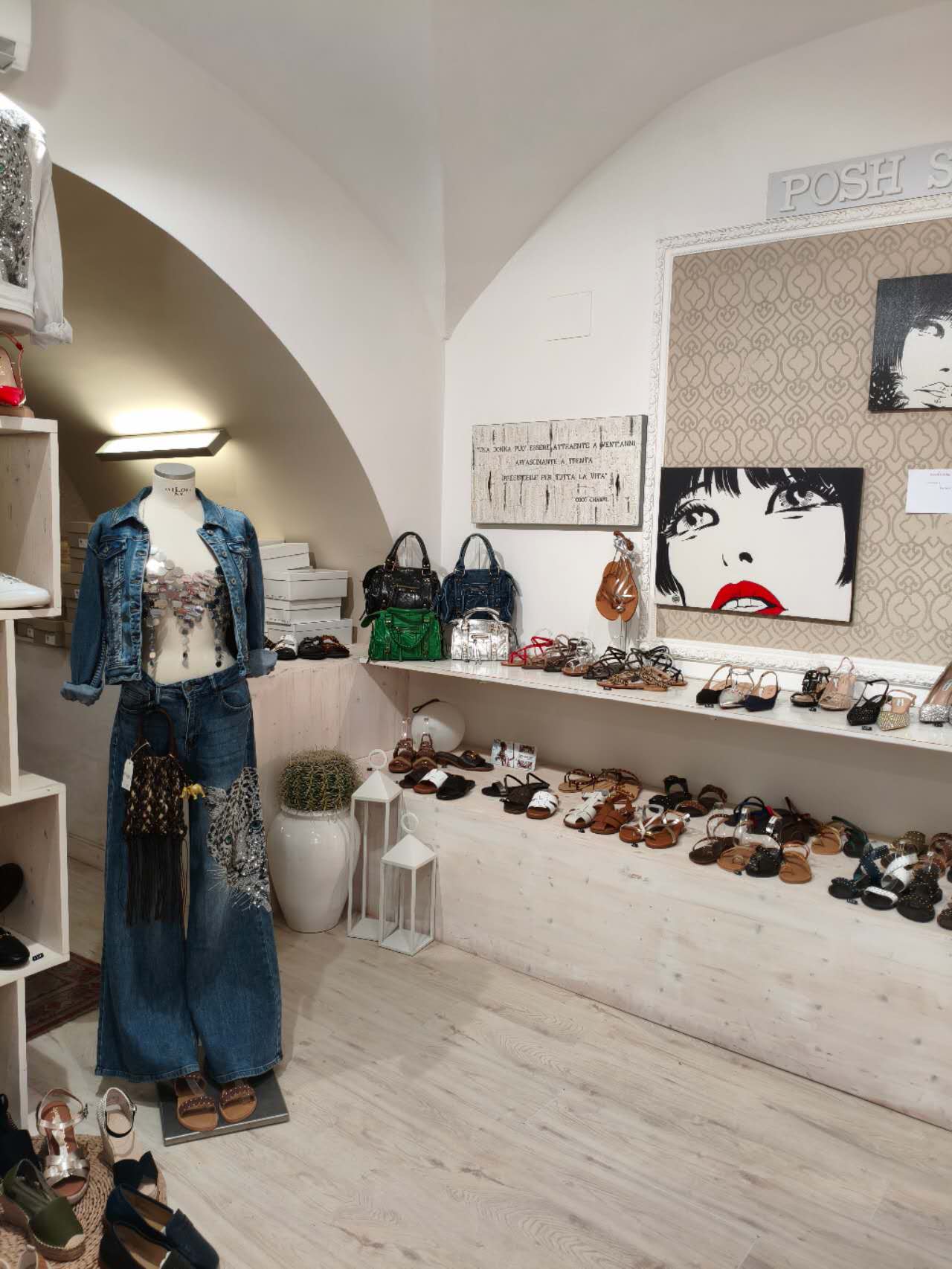
Some people learn about fashion. Others have the privilege of witnessing it being born. Enrico Leonardelli belongs to the latter. Born in Milan during the 1960s, Enrico grew up in a city that was redefining how the world would come to perceive Italy. These were the years of the legendary "Milano da Bere"—a period of extraordinary creative energy when fashion, music, television, and design came together to shape a new vision of Italian elegance. It was an era that gave rise to names destined to become international icons: Giorgio Armani, Gianni Versace, Gianfranco Ferré, Moschino, Krizia, Ottavio and Rosita Missoni. Walking through Milan’s historic center or along Via Montenapoleone meant witnessing, almost every day, the birth of contemporary Italian fashion. For Enrico, Milan was more than a city. It was a school. His appreciation for elegance was nurtured first at home, inspired by a mother who deeply loved fashion and believed that dressing well was a form of respect—for oneself and for others. As a young man, he spent countless afternoons wandering through boutiques, studying fabrics, colors, proportions, and details. Every new collection became a lesson; every storefront, a source of inspiration. At the same time, another lifelong passion was taking shape: music. In the Milan of the 1980s, fashion and music spoke the same language. Fashion magazines celebrated both worlds, while the first generation of supermodels moved effortlessly from the runway to the music videos that defined an era. Artists such as George Michael, with the unforgettable Freedom! ’90, transformed fashion into a global cultural phenomenon. Almost naturally, Enrico’s professional journey began in the music industry. After his first experiences as a public relations manager for some of Milan’s most vibrant nightclubs, he joined the record business as a promotion manager, spending nearly twenty years working alongside some of the most renowned Italian and international artists. Those years allowed him to experience creativity from the inside and to understand how style, culture, and identity constantly inspire one another. By 2003, he felt that one chapter of his life was coming to a close.
Segreti Walser
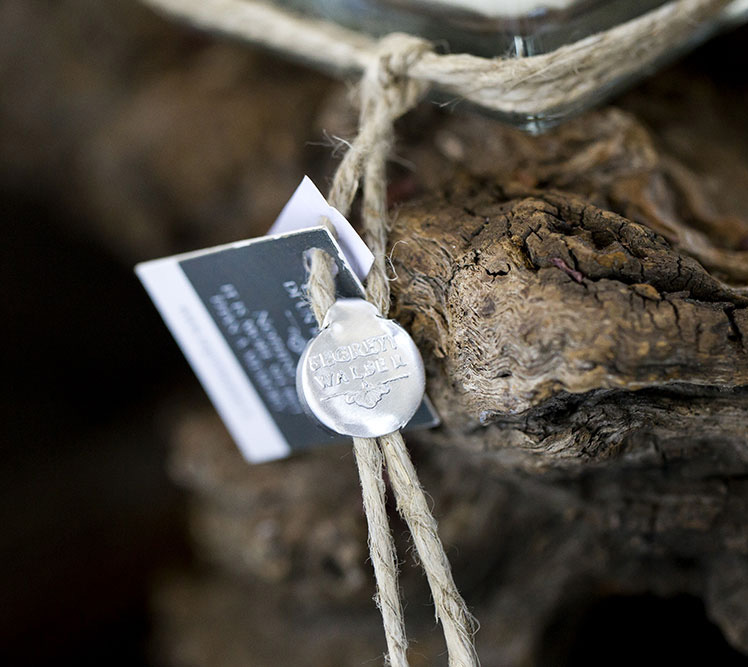
There are places that speak in whispers. Places where time seems to move differently, following the rhythm of the seasons, the scent of ancient forests, and the quiet majesty of the mountains. This is where Segreti Walser was born. A project inspired by one of the most fascinating communities of the European Alps: the Walser people. Centuries ago, they chose to settle in remote valleys and high mountain pastures, building a way of life founded on resilience, respect for nature, and a profound understanding of everything the mountains could offer. Those mountains still safeguard an extraordinary treasure. Wild herbs, alpine flowers, forest berries, resins, essential oils, and botanical ingredients that grow slowly in an unspoiled environment, shaped only by nature and time. From this rich heritage comes the philosophy of Segreti Walser: transforming the finest local ingredients into natural cosmetics that tell the story of the land from which they originate. Each collection celebrates a distinctive ingredient from the Alpine valleys, carefully selected and harvested with the utmost respect for the environment. Many of these raw materials come from local, short supply chains, because true quality begins where nature expresses itself at its very best. Behind every formulation, two seemingly different worlds come together. On one side lies tradition—simple ingredients, ancient knowledge, and practices handed down through generations. On the other stands scientific expertise, brought together by professionals from the cosmetic, pharmaceutical, and medical sectors, ensuring that every product combines effectiveness, safety, and respect for the skin. Every product is handcrafted in Villadossola, in the heart of the Italian Alps, within a small artisan laboratory where each batch is produced with exceptional care and in full compliance with the highest quality standards. Cosmetic scientists, analytical laboratories, and specialized partners contribute to every stage of development, ensuring formulations that are both innovative and fully aligned with the latest European regulations.